Search for a page or action...
Search and choose the account to order for.
Regenerative farming goes beyond sustainability, focusing on restoring and enhancing the soil and fostering biodiversity.
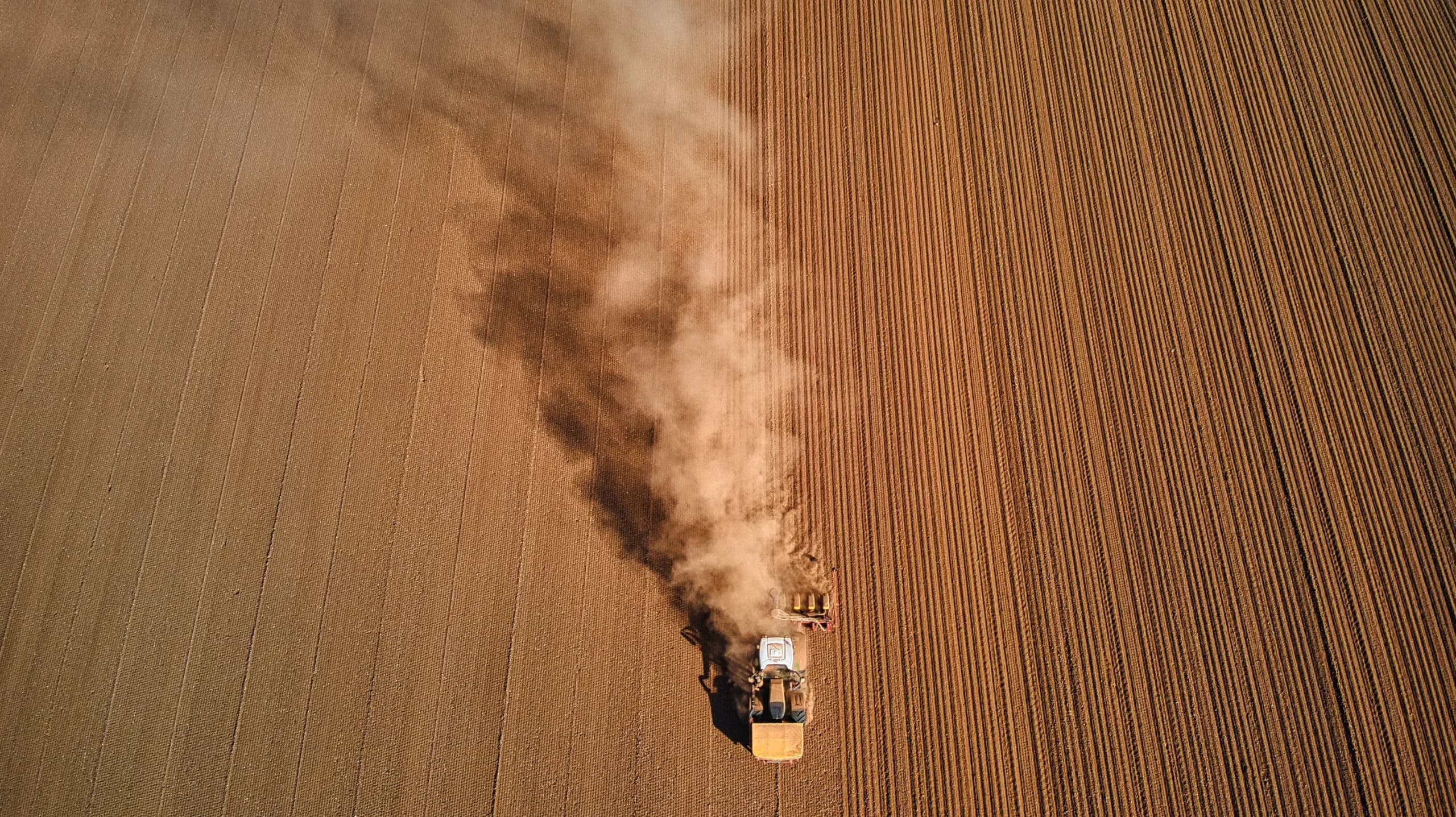

In today’s food industry, sustainability is not just a trend—it’s a necessity. Regenerative farming goes beyond sustainability, focusing on restoring and enhancing the soil, fostering biodiversity, and reducing the environmental impact of agriculture. By using regenerative techniques, farms can replenish the earth, improve water retention, and even combat climate change through carbon sequestration.
Wildfarmed is leading the way in regenerative farming, producing high-quality flours that are both good for the environment and perfect for creating delicious, nutritious dishes. At Woods Foodservice, we proudly offer Wildfarmed products to chefs who want to embrace sustainable, regenerative practices in their kitchens.
Regenerative farming aims to restore biodiversity by nurturing the soil year-round. It involves growing cash crops alongside companion plants, using a variety of cover crops between harvests to maintain ecosystem health. Wildfarmed growers who adhere to the Wildfarmed Regenerative Standards (the first third-party audited regenerative standards for UK arable farmers) commit to revitalizing ecosystems and practicing farming methods that prioritize environmental sustainability and nature-friendly practices
By supporting regenerative farming, we’re all part of a movement that aims to create a healthier, more sustainable food system. These flours are grown with care, and free from harmful chemicals and pesticides, making them the ideal choice for dishes that reflect both quality and sustainability. With a rich, natural flavour profile, Wildfarmed flours bring a new dimension to baking, cooking, and artisan bread-making, all while supporting the environment.
At Woods Foodservice, we’re committed to offering ingredients that reflect our dedication to sustainability. Partnering with companies like Wildfarmed allows us to bring regenerative products into your kitchen, supporting a healthier and more sustainable food future. With every order, you’re helping to reduce the environmental impact of food production and improve the health of our planet for future generations.
Discover more about Wildfarmed’s regenerative farming methods and how their flour can transform your menu at Wildfarmed

Made with Wildfarmed regenerative flour, this white sourdough loaf features a golden, crispy crust and a light, airy interior. Its tangy taste and chewy texture make it an excellent choice for pairing with cheeses, spreads, or enjoying on its own. This loaf showcases the benefits of regenerative farming, supporting soil health and biodiversity while delivering a delicious, sustainable product.
For the starter
80 grams Wildfarmed Life-changing Bread Flour
40 grams of water at room temperature, about 18 degrees C
For the dough
320 grams Wildfarmed Bread Flour
130 grams Mature starter
190 grams First addition water
65 grams Second addition water
8 grams of fine sea salt
To make the starter, mix together the flour, water, and sourdough starter into a soft dough. Place it in a bowl, cover, and let it bulk ferment for 12–18 hours at room temperature. The starter should double in size and have a bubbly, honeycomb-like texture inside.
Combine the flour, starter, and the first addition of water to form a dough. If using a stand mixer, mix on the slowest speed for 5 minutes. If mixing by hand, knead for 8–10 minutes. Let the dough rest for 30 minutes at room temperature.
Gradually mix in the second addition of water until the dough becomes smooth.
Add the salt along with the last portion of water and knead the dough until fully developed, about 5–8 minutes. The dough should be supple and slightly shiny. If you're unsure if it's ready, take a small piece and gently stretch it. You should be able to see light through it. If the dough tears before you can do this, it needs more kneading.
Shape the dough into a ball and place it in a lightly oiled bowl or container. Cover and let it ferment for 2 to 3 hours at room temperature, until it doubles in size. Fold the dough every 30 minutes during this time, performing 3–4 folds in total. To fold, wet both hands, grab the dough from one side of the bowl, stretch it over itself, and repeat on the other sides, rotating the bowl 90 degrees each time. After the final fold, let the dough rest until it's bubbly and nearly doubled in size.
Turn the dough out onto a lightly floured surface and shape it into a ball. Place the dough, smooth side down, into a flour-dusted proving basket. Let it prove in the fridge for 10–12 hours.
Preheat a Dutch oven or lidded casserole dish in an oven set to 250°C (230°C fan). When the oven is up to temperature, tip the loaf out of the proving basket onto a piece of greaseproof paper. Dust the top of the dough with flour and score it with a razor blade or small serrated knife.
Remove the dish from the oven, take off the lid, and lower the dough into the dish using the greaseproof paper. Replace the lid and bake for 20 minutes. Then, carefully remove the lid and bake for another 10–15 minutes. To check if the loaf is done, lift it out of the dish and tap the bottom. It should sound hollow and have a crisp, golden-brown crust.
Once baked, remove the loaf from the dish and cool it on a wire rack. Let it cool completely to room temperature before slicing.
The complete Wildfarmed flour range is now available to order through Woods Foodservice.