Search for a page or action...
Search and choose the account to order for.
Here’s a roundup of January’s best seasonal produce: crisp, hearty fruit and vegetables for nourishing winter menus.
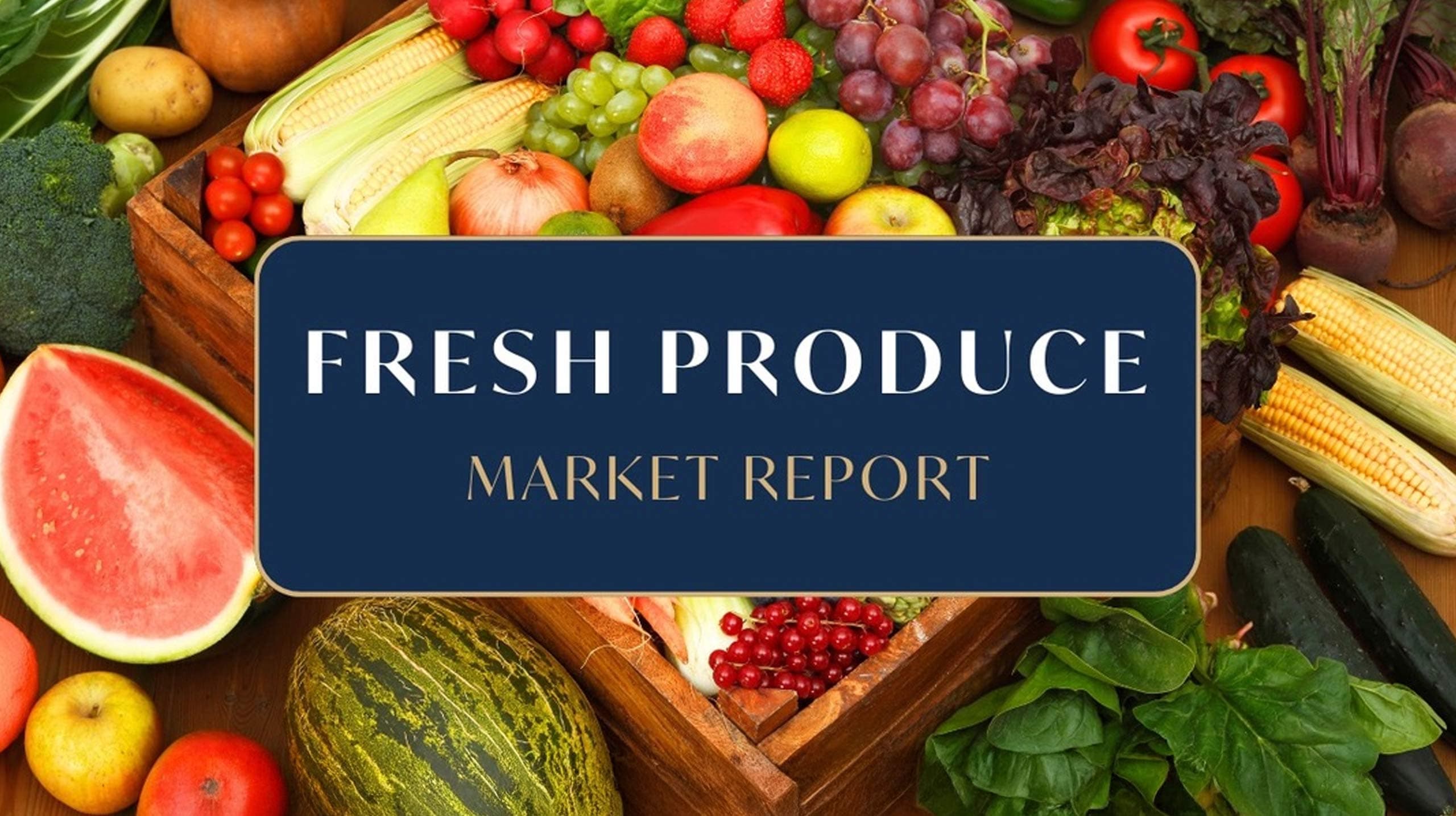



January ushers in a new year of crisp, hearty produce, perfectly suited to nourishing, comforting dishes during the coldest months in the UK. For chefs, January’s fruit and vegetables provide robust flavours, excellent versatility, and a chance to create menus that feel both seasonal and restorative. Here are some standout options to consider:
In January, swede comes into its own for chefs, offering peak flavour at a time when fresh produce can feel limited. Naturally well-suited to cold storage, swede develops a deeper sweetness and earthier complexity as winter progresses. Its dense texture holds up beautifully to roasting, braising, and puréeing, making it ideal for hearty, seasonal dishes that suit the colder months. For chefs focused on seasonal and local cooking, swede is reliable, affordable, and versatile in January, equally at home in refined plates and comforting, rustic preparations.

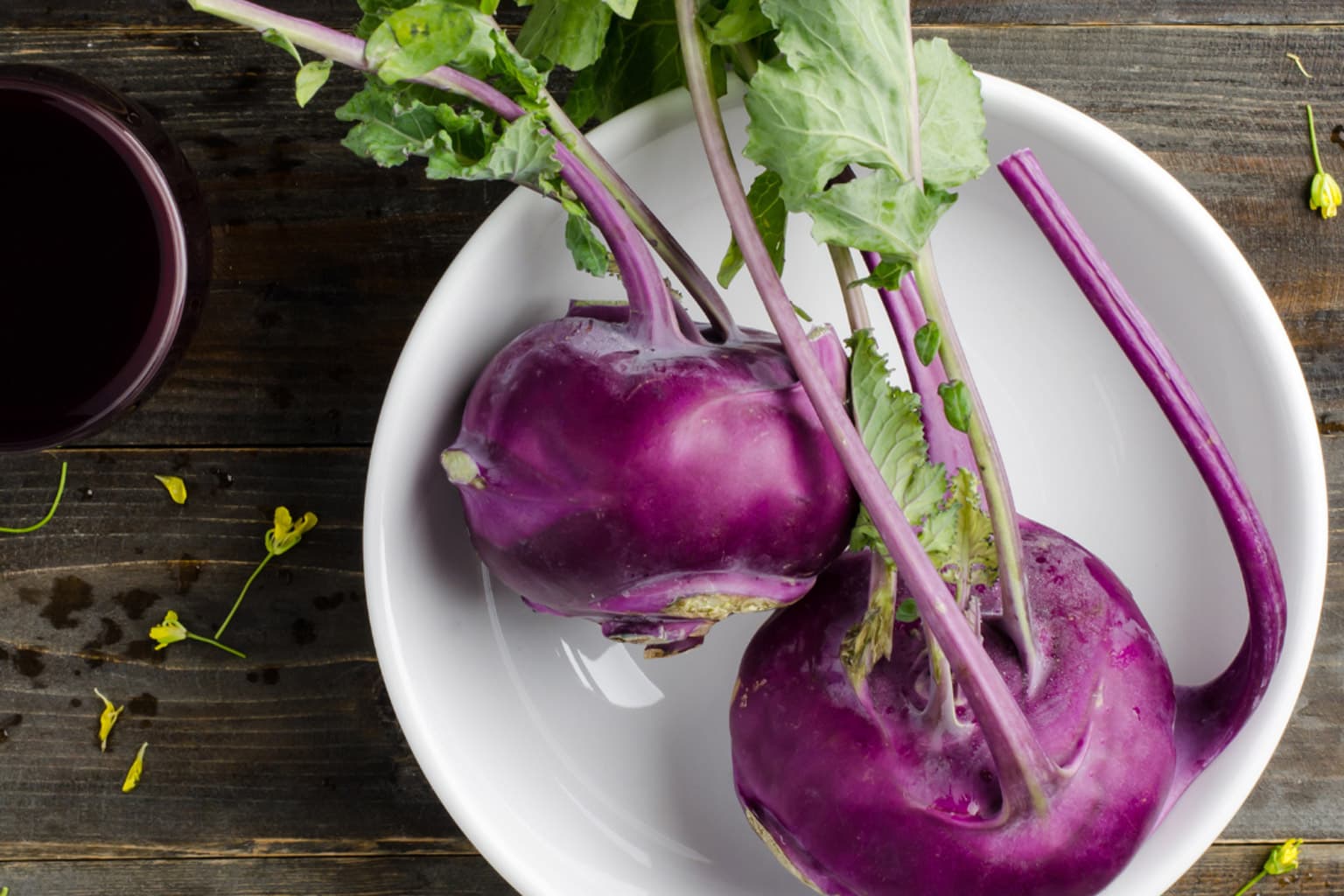
In January, beetroot is firmly in season and highly valued by chefs for both its flavour and versatility. Like other winter roots, it stores exceptionally well, allowing its natural sweetness to intensify as the season goes on. Earthy yet vibrant, beetroot can be roasted for depth, pickled for brightness, or puréed and juiced for more refined applications. Its bold colour also adds visual impact to winter menus, making it a favourite for chefs looking to bring warmth, contrast, and seasonal integrity to dishes during the colder months.

Kale is now at its best and a staple for chefs working with seasonal winter produce. Frost-hardy by nature, kale actually improves in flavour after exposure to cold, becoming sweeter and less bitter as temperatures drop. Its sturdy leaves stand up well to braising, sautéing, roasting, and even raw preparations when finely sliced, making it incredibly versatile on winter menus. Nutritious, dependable, and full of character, kale offers chefs freshness and vitality at a time of year when leafy greens are otherwise scarce.

Bramley apples are still very much in season and prized by chefs for their distinctive sharpness and cooking performance. Stored from the autumn harvest, Bramley apple retains its high acidity and firm structure through winter, making it ideal for both sweet and savoury dishes. When cooked, it breaks down beautifully into a light, fluffy texture, delivering balance and freshness to rich winter plates. For chefs, Bramley apples offer consistency, bold flavour, and a reliable link to British seasonal cooking during the colder months.

In January, Yorkshire rhubarb is still available, thanks to the region’s traditional “forced” growing method, which produces tender, intensely flavored stalks even in the depths of winter. Its vibrant red color and sharp, tangy taste make it a favourite for chefs looking to brighten desserts, sauces, and compotes during a season dominated by heavier, earthier produce. Hardy yet delicate in flavour, Yorkshire rhubarb adds a refreshing acidity and seasonal authenticity to winter menus, allowing chefs to incorporate a distinctly British ingredient when few fresh fruits are at their peak.